A brand new proposal within the California Legislature might make it tougher for public businesses to make use of automated license plate readers, the cameras employed by controversial surveillance firm Flock.
Privateness advocates argue the techniques enable for mass surveillance, whereas regulation enforcement businesses say they’re among the many most essential instruments obtainable for investigations.
Senate Invoice 1013, authored by Sen. Sabrina Cervantes, would require public businesses utilizing license plate readers to offer officer coaching, preserve logs of database searches, endure annual audits by the California Division of Justice and delete license plate reader knowledge after 30 days except it’s tied to an energetic legal investigation.
SB 1013 has already handed the state Senate and is now into account within the Meeting. The invoice would wish to move each chambers earlier than reaching Gov. Gavin Newsom’s desk to grow to be regulation.
Its prospects stay unsure. Final 12 months, Newsom vetoed the same invoice that will have required license plate reader knowledge to be deleted after 60 days, arguing the restriction might be detrimental to regulation enforcement investigations.
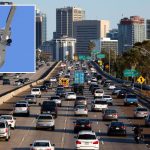
Presently, Flock Security has greater than 120,000 automated license plate readers put in throughout the US, based on the corporate’s on-line map. California has greater than 16,000 of these cameras, giving the state the best focus of the gadgets within the nation.
If permitted, Cervantes’ invoice would set up uniform statewide requirements governing license plate reader techniques operated by public businesses all through California.
Privateness advocates say the invoice would supply higher oversight of how license plate readers are getting used.
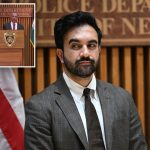
“Individuals are bothered by mass surveillance,” Seth Corridor of the Belief SD Coalition, a community advocating for higher oversight of surveillance applied sciences, instructed CBS Information 8.
Corridor stated the cameras are always amassing data on automobiles, elevating considerations in regards to the extent of presidency surveillance.
Cervantes stated the invoice is supposed to stability privateness considerations with using the readers in regulation enforcement investigations.
“This invoice is about one easy precept: defending the privateness and security of Californians whereas making certain regulation enforcement instruments are used responsibly,” Cervantes instructed CBS 8.
State Sen. Kelly Seyarto, a Republican whose district contains a part of San Diego County, opposes the proposal as a result of he believes it might restrict investigative instruments utilized by regulation enforcement.
“To me, that’s not a really lengthy timeline within the large scheme of issues,” Seyarto instructed CBS 8 of the proposed 30-day knowledge retention restrict.
He added that the restrict on knowledge retention might pose public security dangers by limiting investigators’ potential to unravel crimes.
The San Diego Police Division has about 500 Flock Security cameras all through the town and has stated the expertise has grow to be an essential investigative useful resource.
Lt. Kristopher McAndrew instructed CBS 8 that ALPR expertise commonly permits officers to conduct their investigations.
“This factor’s serving to us each single day,” he instructed CBS 8. “It’s serving to us get well these stolen automobiles, it’s serving to us get folks into custody.”
McAndrew famous that the division already has its personal 30-day restrict on license plate reader knowledge retention however is ready to see what occurs with SB 1013.